Welcome to March.
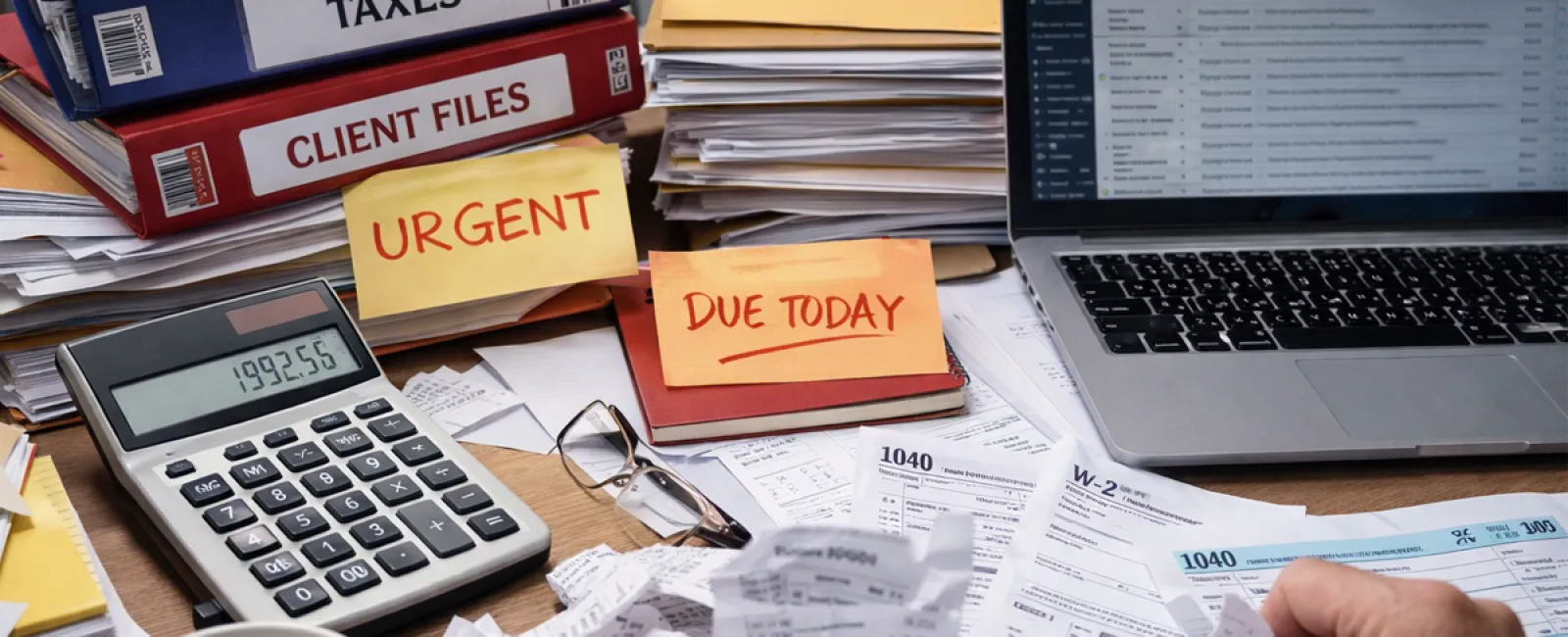
Your accounting team is overwhelmed. Your bookkeeper is racing against the clock. Deadlines are fast approaching, and emails flood in relentlessly.
Everyone is focused on pushing through this demanding month.
Unfortunately, this scenario isn't just familiar to you.
It's also the perfect storm for cybercriminals.
Cybersecurity experts have documented a notable surge in phishing attacks during tax season, with March experiencing approximately a 28% rise in tax-related scam emails compared to other periods. These fraudulent emails are subtle and crafted to mimic ordinary business communications during your busiest time.
This is no accident.
It's a calculated strategy.
Discover what threats lie ahead and learn four straightforward steps to shield your business from becoming an easy prey.
The Overloaded Supply Chain
Many overlook this critical point:
Hackers don't only focus on accounting firms.
They exploit the chaotic environment surrounding tax season.
During tax season:
- Clients hurriedly submit sensitive information
- Staff may bypass routine checks to keep pace
- Requests like "Just send the file" replace cautious protocols
- Verification steps are skipped because everyone is overwhelmed
The entire process accelerates.
And with haste comes errors.
Cybercriminals target businesses in a frenzied rush, not those operating calmly and methodically.
March is exactly that busy season.
Spotting the Phishing Scams
This isn't fiction.
The scam emails look indistinguishable from legitimate ones.
- An email from "your accountant" requesting a resend of W-2s due to delivery issues
- A vendor's message stating their bank account details have changed and need updating
- A DocuSign alert urging you to sign tax documents "today"
- A pressing email from "your CEO" traveling and needing immediate assistance
Nothing about these emails raises suspicion.
They seem like standard March business transactions.
And that's why these scams succeed.
Why Even the Busy Fall for Scams
This isn't due to negligence.
It's human nature.
When inboxes overflow and deadlines pressure, people skim messages, make assumptions, and react quickly without thorough scrutiny.
Cybercriminals exploit this behavior.
Their deceptive emails target hurried individuals who may overlook subtle inconsistencies. They don't need recklessness; just a busy mindset.
And in March, nearly everyone is racing against the clock.
Four Easy Protections to Avoid Scams
The good news? You don't require complex software or a dedicated security squad to stay safe.
Simply adopting a handful of mindful habits during peak times can dramatically lower your risk.
1. Confirm payment changes by calling
If you receive an email about vendor banking updates, don't reply by email.
Instead, call a trusted contact number you already have to verify.
This simple step blocks some of the costliest fraud attempts.
2. Take your time with sensitive data requests
Urgency signals a pause, not haste.
If someone demands W-2s or tax files immediately, verify before acting.
Legitimate senders expect a careful response; fraudsters won't wait.
3. Cross-check urgent requests via another method
If an email insists on urgency, confirm through a quick call, text, or internal chat.
This two-minute check can prevent costly mistakes.
True emergencies stand up to verification; scams can't.
4. Alert your team to stay vigilant
Remind your staff that tax season heightens scam risks.
Encourage them to slow down, verify, and ask questions if anything seems unusual.
This simple mindset shift reduces future cleanup and stress.
Key Takeaway
Tax season is taxing enough without falling victim to scams.
This season's cyberattacks aren't ingenious; they're perfectly timed.
They count on hurried minds, assumptions, and the universal drive to push through March.
Protection doesn't require a complete security overhaul.
Just slow down when it counts and verify urgent asks.
More often than not, that's enough.
Simple Busy-Season Security Check
Your company may already practice strong security habits—and if so, that's excellent.
But if tax time pushes your team into reaction mode, or you're unsure how urgent requests are handled under pressure, a free No-Obligation Conversation can provide clarity.
No pressure. No gimmicks. Just an honest review to determine if small habits could prevent major headaches this season.
If this isn't relevant for you, please share it with someone who could benefit.
Click here or give us a call at (573) 334-4439 to schedule your free No-Obligation Conversation.