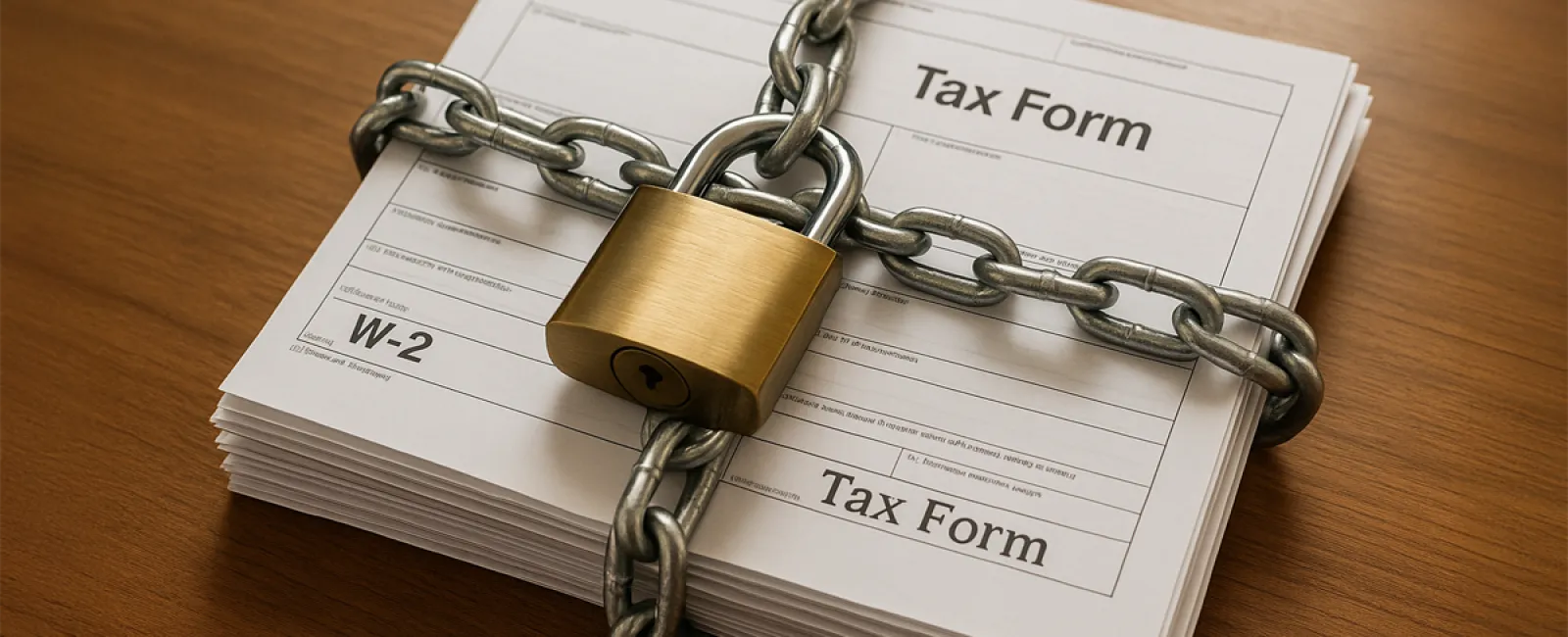
February marks the height of tax season. Your accountant's schedule is packed, and your bookkeeper is gathering vital documents. Everyone's attention turns to W-2s, 1099s, and looming deadlines.
But what often catches businesses off guard doesn't appear on any calendar: the initial tax season crisis is often a scam.
One particular scam surfaces early in the season because it's simple, believable, and targets small businesses. You might already have it lurking in your inbox.
Unveiling the W-2 Scam: What You Need to Know
Here's how it unfolds:
An employee responsible for payroll or HR receives an email that seems to come from the CEO, owner, or a high-ranking executive.
The message is brief and urgent:
"I need copies of all employee W-2s for an urgent meeting with our accountant. Please send them ASAP—I'm swamped today."
The email looks genuine, the tone fits, and the urgency matches the hectic tax season. It feels like a reasonable request.
Trusting this, the employee forwards the W-2 forms.
However, the email wasn't from your CEO. It's a spoofed address or a nearly identical domain used by cybercriminals.
Now, the scammer has access to sensitive employee data, including:
• Full legal names
• Social Security numbers
• Home addresses
• Salary details
All the information needed to commit identity theft and file fraudulent tax returns ahead of your employees.
Consequences and How Employees Discover the Fraud
Typically, employees find out when their legitimate tax returns are rejected due to duplicate filings: "A return has already been filed with this Social Security number."
Someone else has already claimed their refund.
Your staff then faces the daunting task of dealing with the IRS, credit monitoring, identity theft protection services, and months of paperwork caused by a document they unknowingly shared.
Imagine this happening across your entire payroll—then trying to explain the breach to your team.
This isn't merely a security flaw; it's a breakdown in trust, an HR crisis, a potential lawsuit, and a threat to your company's reputation.
Why the W-2 Scam is So Effective
This isn't an obvious phishing attempt. It succeeds because:
- The timing is impeccable—W-2 requests are expected during February.
- The request is plausible. It's a common ask, not a suspicious demand like wiring money or purchasing gift cards.
- The urgency blends into the busy office environment, making "send this quickly" seem normal.
- The email appears legitimate, as criminals research names and mimic real addresses.
- Employees eager to assist their leadership might bypass verification due to pressure.
Essential Strategies to Shield Your Business Now
The silver lining: this scam is avoidable by combining strong policies and company culture, not just technology.
Implement a strict "no W-2s sent via email" policy. No exceptions. Sensitive payroll data must never be emailed. If requested by email, decline—even if it looks like it's from the CEO.
Always verify sensitive requests through a separate channel—call, face-to-face conversation, or official messaging platforms. Use known contact details, never numbers from the suspicious email. This quick check can prevent lengthy aftermaths.
Host a brief but focused tax scam awareness session immediately. Highlight red flags and response protocols, especially with payroll and HR teams.
Secure your payroll and HR systems with multi-factor authentication (MFA). Even if credentials are compromised, MFA serves as a critical barrier.
Promote a culture that encourages verification over blind compliance. Praise employees who double-check urgent requests—they help protect your business.
These five steps are practical, fast to implement, and powerfully effective at halting early scam attempts.
Tax Season Threats Are Expanding
The W-2 scam is just the beginning.
Expect a surge of tax-related cyber threats before April, including:
• Fraudulent IRS notices demanding immediate payment
• Phishing emails disguised as tax software updates
• Spoofed communications from "your accountant" containing malicious links
• Fake invoices timed to masquerade as legitimate tax expenses
Cyber criminals exploit the hectic tax season when businesses are distracted and financial requests seem routine.
Companies that successfully navigate tax season unscathed aren't just lucky—they're prepared with solid policies, staff training, and systems that intercept suspicious activities before damage occurs.
Is Your Business Prepared for Tax-Season Cyber Threats?
If your policies and team are already vigilant, you're ahead of most small businesses.
If not, it's critical to act now—don't wait for a costly scam to occur.
Schedule a 15-minute Tax Season Security Check with us.
During this call, we'll evaluate:
• Payroll and HR system access with MFA
• Your W-2 handling and verification policies
• Email defenses against spoofing attempts
• And one key policy adjustment many overlook
If your business isn't the target audience, kindly share this with business owners who could benefit—preventing a tough financial and reputational blow is invaluable.
Click here or give us a call at (573) 334-4439 to schedule your free No-Obligation Conversation.
Don't let tax season stress escalate with identity theft threats looming.